
Psychotherapy using innovative digital tools for children, teens, and adults. We blend evidence-based practices with immersive technology to deliver engaging and accessible mental health care for the modern age.
Psychotherapy using innovative digital tools for children, teens, and adults. We blend evidence-based practices with immersive technology to deliver engaging and accessible mental health care for the modern age.
Psychotherapy using innovative digital tools for children, teens, and adults. We blend evidence-based practices with immersive technology to deliver engaging and accessible mental health care for the modern age.
Session Types

Secure video sessions from the comfort of your home. Ideal for busy families after school and work hours. Leverage technology and learn skills by collaborating on digital whiteboards, videos, and Canva.

Connect in immersive apps like Golf+ and Rec Room to create a sense of being together from anywhere in the world. Ideal for younger generations and online clients looking for a more collaborative experience.
Secure video sessions from the comfort of your home. Ideal for busy families after school and work hours. Leverage technology and learn skills by collaborating on digital whiteboards, videos, and Canva.
Connect in immersive apps like Golf+ and Rec Room to create a sense of being together from anywhere in the world. Ideal for younger generations and online clients looking for a more collaborative experience.
Book a free consultation
Take the opportunity to ask questions with no pressure to commit.👍

VR Apps
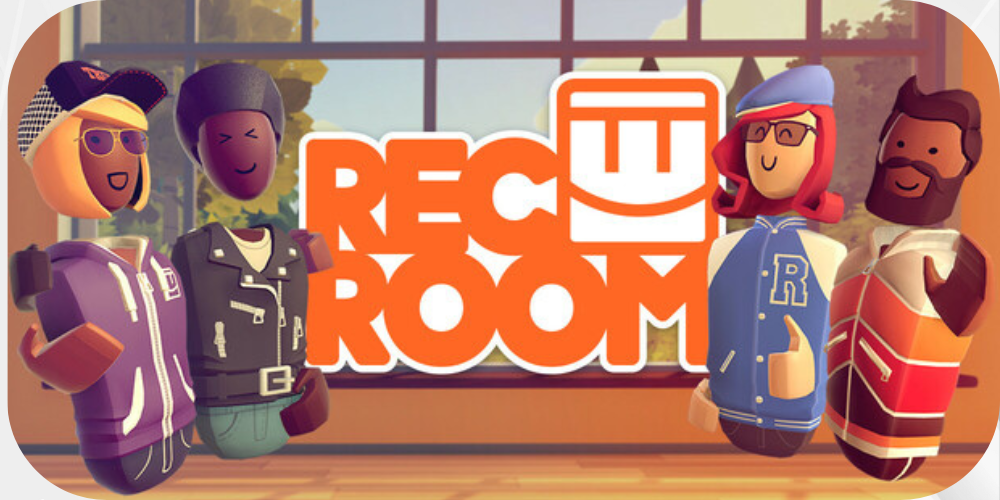
Activity-based therapy in immersive worlds. Ideal for children, teens, and groups. Sessions blend conversation with engaging sports, art, and games in private rooms not open to the public. Practice skills using whiteboards and interactable objects to support the learning and skill-building process.

Work on your swing and speak your mind over 9 or 18 holes.
Best suited for older teens and adults looking for low-pressure connection through a shared activity. This format fosters relaxed, open dialogue for general advice and is great for mindfulness-based stress reduction.

Daily brain-training exercises with weekly cognitive reports.
Rooted in neuroscience, Enhance has been shown to improve attention, reduce impulsivity, and support ADHD through evidence-based mini-games. Weekly therapy sessions are for reviewing progress and learning complementary skills.
Activity-based therapy in immersive worlds. Ideal for children, teens, and groups. Sessions blend conversation with engaging sports, art, and games in private rooms not open to the public. Practice skills using whiteboards and interactable objects to support the learning and skill-building process.
Work on your swing and speak your mind over 9 or 18 holes. Best suited for older teens and adults looking for low-pressure connection through a shared activity. This scenic format fosters relaxed, open dialogue for general advice and is great for mindfulness-based stress reduction practice.
Daily brain-training exercises with weekly cognitive reports. Rooted in neuroscience, Enhance has been shown to improve attention, reduce impulsivity, and support ADHD through evidence-based mini-games. Therapy sessions are for reviewing progress and learning complementary skills.
Activity-based therapy in immersive worlds. Ideal for children, teens, and groups. Sessions blend conversation with engaging sports, art, and games in private rooms not open to the public. Practice skills using whiteboards and interactable objects to support the learning and skill-building process.
Work on your swing and speak your mind over 9 or 18 holes. Best suited for older teens and adults looking for low-pressure connection through a shared activity. This scenic format fosters relaxed, open dialogue for general advice and is great for mindfulness-based stress reduction practice.
Daily brain-training exercises with weekly cognitive reports. Rooted in neuroscience, Enhance has been shown to improve attention, reduce impulsivity, and support ADHD through evidence-based mini-games. Therapy sessions are for reviewing progress and learning complementary skills.
Getting Started




When your goals are achieved, you’ll feel equipped to move forward with confidence, ready to embrace the next chapter of your life.

Frequently Ask Questions (FAQ)
The metaverse is a shared virtual space that combines elements of augmented reality (AR), virtual reality (VR), and the internet. It allows users to interact in immersive, 2D and 3D environments using avatars, creating opportunities for unique and engaging therapy experiences.
VR therapy sessions begin with a secure video check-in through your Jane profile, then transition into a private virtual space using your headset. From there, therapy continues in a real-time 3D environment.
For VR sessions, you’ll need a compatible headset such as the Meta Quest 2, Meta Quest 3, or Meta Quest Pro. Other standalone headsets that support app downloads from the Meta Store or PC VR streaming (like Oculus Rift or Valve Index) may also work. We’ll provide step-by-step setup instructions based on your selected service.
Not at all! VR is thoughtfully integrated to support the therapeutic process. For example, in Rec Room, we have chosen and modified calming environments such as Park_MVT to prevent sensory overload while allowing clients to focus on learning.
Yes — and the evidence is growing. VR therapy is backed by an emerging body of research showing its effectiveness in treating mental health concerns like anxiety, ADHD, and emotional dysregulation. When tailored to the unique needs and preferences of each client, VR sessions can be just as impactful as in-person therapy.
Most workplace benefits and health insurance plans cover psychotherapy provided by a registered professional. While VR and in-game therapy are newer approaches, coverage often depends on the therapist’s credentials — not the tools they use. Check with your provider to confirm if sessions with Metaverse Therapy are eligible for reimbursement.
Getting Started
When your goals are achieved, you’ll feel equipped to move forward with confidence, ready to embrace the next chapter of your life.
Frequently Ask Questions (FAQ)
The metaverse is a shared virtual space that combines elements of augmented reality (AR), virtual reality (VR), and the internet. It allows users to interact in immersive, 2D and 3D environments using avatars, creating opportunities for unique and engaging therapy experiences.
VR therapy sessions begin with a secure video check-in through your Jane profile, then transition into a private virtual space using your headset. From there, therapy continues in a real-time 3D environment.
For VR sessions, you’ll need a compatible headset such as the Meta Quest 2, Meta Quest 3, or Meta Quest Pro. Other standalone headsets that support app downloads from the Meta Store or PC VR streaming (like Oculus Rift or Valve Index) may also work. We’ll provide step-by-step setup instructions based on your selected service.
Not at all! VR is thoughtfully integrated to support the therapeutic process. For example, in Rec Room, we have chosen and modified calming environments such as Park_MVT to prevent sensory overload while allowing clients to focus on learning.
Yes — and the evidence is growing. VR therapy is backed by an emerging body of research showing its effectiveness in treating mental health concerns like anxiety, ADHD, and emotional dysregulation. When tailored to the unique needs and preferences of each client, VR sessions can be just as impactful as in-person therapy.
Most workplace benefits and health insurance plans cover psychotherapy provided by a registered professional. While VR and in-game therapy are newer approaches, coverage often depends on the therapist’s credentials — not the tools used. Check with your provider to confirm if sessions with Metaverse Therapy are eligible for reimbursement.
Our Philosophy
Life is serious enough. We like to make therapy fun.
The foundation of strong relationships
Life is serious enough. We like to make therapy fun.
The foundation of strong relationships